A dripping faucet can turn a calm day into a noisy one. Many people try to fix it, but they hit the same problem: they don’t know which part to buy. A faucet is not just one piece. It is a group of small parts that work together. If one part wears out, the whole faucet can leak or feel loose. The good news is that a plumbing store can often find the right part in minutes. It may look like magic, but it is a step-by-step process. Stores use simple clues, smart tools, and part books to narrow it down fast. This blog shows how they do it, and how you can help them help you.
First, They Ask Questions That Narrow Choices
When you walk in, the staff usually starts with a few quick questions. This is not small talk. Each question removes many wrong options. Faucets come in many brands and styles, and parts can look similar while fitting very differently.
They may ask:
- Is the faucet in the kitchen, bathroom, tub, or shower?
- Does it have one handle or two?
- Is the leak from the spout, handle, or base?
- Does it drip all the time or only when you turn it on?
- How old is the faucet?
These clues point to the type of part that failed. For example, a drip from the spout often means the shut-off part inside is worn. A leak near the handle can mean an O-ring is damaged. Even the feel of the handle matters. If it is stiff, the inside parts may have mineral build-up or a swollen rubber seal.
Next, They Identify The Faucet Type Inside
After the first question, the staff thinks about the “valve” type. The valve is the part inside that starts and stops water. Knowing the valve type is a big shortcut, because each type uses its own shapes and sizes.
Common faucet valve types include:
- Compression: Often two handles. You turn it many times to close. Uses rubber washers.
- Cartridge: One or two handles. A cartridge slides or turns inside.
- Ceramic disc: Smooth handle feel. Uses hard discs that seal tight.
- Ball-type: Often single-handle kitchen faucets. Uses a ball with holes and rubber seats.
A plumbing store does not guess. They look for clues in how the handle moves and how many turns it takes to shut off. This is “quality technical info” in plain terms: the valve type decides the kind of repair kit you need.
Your Photos And Parts Speed Things Up
If you want the fastest match, bring help in your pocket: your phone. Clear photos can save a lot of time, because the staff can compare shapes right away. Even better is bringing the old part.
Bring one or more of these:
- A photo of the whole faucet from the side
- A close photo of the handle area
- A photo under the sink showing supply lines and labels
- The old cartridge, washer, or stem (even if broken)
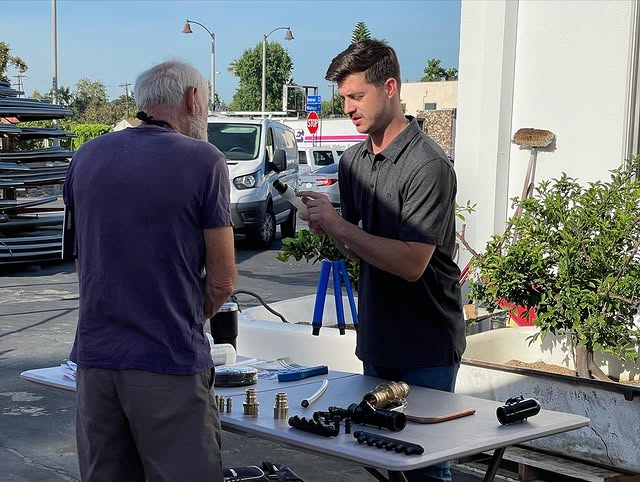
Small details matter. The length of a stem, the number of splines (tiny teeth) on a handle post, and the shape of a cartridge base can change the match. Stores often have sample parts or display boards. They can hold your part next to a known part and spot differences fast.
Tip: Put small parts in a zip bag and add a note like “bathroom sink hot side.” That prevents mix-ups.
Brand Clues Hide In Plain Sight Everywhere
Many faucets have a brand mark, but it may not be obvious. Staff know where to look. They check the handle cap, the spout base, and any tags under the sink. Sometimes the faucet has no brand showing. That is still okay.
Here are common brand clues:
- A logo on the handle or trim plate
- A model number on the supply line tag
- A code stamped on the cartridge
- A label on the shut-off valve or faucet body
Even when the faucet is “no name,” the inside parts still have patterns. Cartridges often have a unique shape: tabs, wings, or notches that lock into the faucet body. The store may use a part book or brand chart to match these shapes. That’s why a plumbing store can move fast: they’ve seen the same designs many times.
Measuring Tools Turn Guessing Into Certainty
Sometimes parts look almost the same. This is where simple measuring tools save the day. Staff may measure the part you bring in, or measure the faucet opening size.
Tools and checks they often use:
- A small ruler or caliper to check length and diameter
- Thread gauges to match screw threads
- Stem charts to match spline counts (like 16, 20, or 24)
- O-ring sizing cones to match rubber ring sizes
This sounds technical, but it’s very practical. If the thread size is wrong, the part will not screw in. If the cartridge is too short, it will not seal. If an O-ring is too thick, the handle may not turn. A few quick measurements can stop a bad return trip and get you the right fix the first time.
They Use Part Books And Store Databases
Behind the counter, stores often keep brand guides, diagrams, and cross-reference books. Many parts also come in “repair kits” that include several small seals and springs. Staff use these guides to match by shape, brand, and faucet type.
You may see them:
- Flip through a binder with pictures and model lists
- Search a store computer by brand and faucet style
- Compare your cartridge to a “wall of cartridges” display
- Look up a diagram that shows every piece in the faucet
A big trick is cross-referencing. If the original brand part is hard to get, the store may find a compatible part made by another company. They match key features like: base shape, seal points, stem length, and handle connection. This is how they find a working replacement fast, even when the faucet is older.
The Right Part Is Only Half The Job
Finding the part is quick, but installing it right matters just as much. Stores often share short, clear steps so you don’t break anything or cause a new leak.
Basic install tips you may hear:
- Turn off the water at the shut-off valves first
- Open the faucet to release pressure
- Keep parts in order as you remove them
- Clean mineral build-up with a soft brush
- Use plumber’s grease on O-rings (not on rubber washers unless told)
- Don’t over-tighten plastic parts
They may also warn you about common mistakes, like mixing hot and cold cartridges or forcing a handle back on when it doesn’t line up. If a faucet still drips after a new part, the seat area may be scratched, or a tiny spring may be missing. That’s why stores often ask what you saw during the take-apart step.
Small Store Habits That Save You Minutes
A plumbing store gets fast because it uses repeatable habits. The staff does the same quick checks every day, so the process stays simple.
If you want to help the process, do these before you go:
- Write down the faucet brand if you can find it
- Take 3–5 clear photos in good light
- Bring the old part in a labeled bag
- Note where the leak is coming from
- If it’s a shower, note if it’s a tub/shower combo
With these basics, the staff can often match the part in minutes, not hours. You walk out with the right piece, and your faucet gets quiet again.
Conclusion: Fast Fixes Start With The Right Store
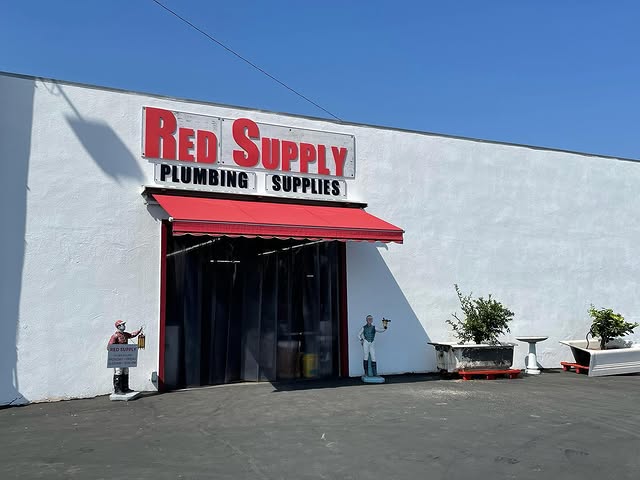
A faucet part match is not luck. It’s a smart system: quick questions, valve type checks, photos or old parts, simple measurements, and part guides. When you bring clear clues, the match gets even faster. If you want a store that keeps plumbing parts in stock and helps you pick the right one, try Red Supply. Red Supply can guide you to the correct cartridge, washer, O-ring, or repair kit so you can stop leaks without extra trips. A few minutes at the counter can save you hours at home.