You tighten a nut, wipe the pipe, and feel proud. Then the next morning, there’s a drip. Many plumbing repairs fail for the same few reasons: the part is close, but not the right one; the seal surface is dirty; the threads don’t match; or the pipe is old and weak. Water pressure then finds the smallest gap and makes it worse. A “good enough” fix can hold for a few hours, then fail after heat, cold, or a strong flush. The good news is this: most failures are preventable. A plumbing store helps by matching parts, explaining simple steps, and steering you away from risky shortcuts that cause repeat leaks.
Wrong Size Parts Make Seals Fail Fast
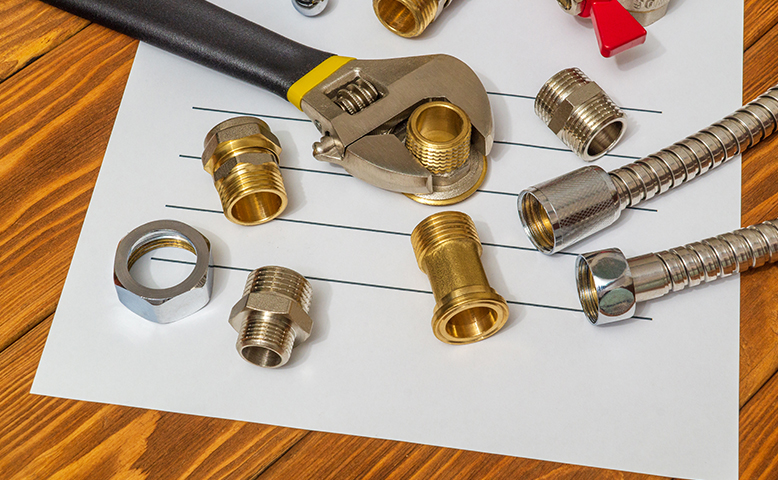
A repair can fail even if you tightened it well. If the part is the wrong size or style, it may never seal. Plumbing has many “almost the same” parts. A 1/2-inch pipe can mean different outside sizes depending on the material. Threads can look alike but still not match. Some fittings are made to seal on threads, while others seal with a rubber ring or a metal sleeve. If you mix these up, water will sneak out.
Common mistakes that cause leaks:
- Using the wrong thread type. Many home pipe threads are NPT (tapered). Some parts are straight threads and need a washer.
- Buying the wrong washer or O-ring. A ring that is too thin won’t seal. Too thick can twist and tear.
- Mixing copper, PVC, and steel without the right adapter.
- Choosing a “universal” kit that does not match older brands.
A plumbing store can measure your old piece and match it by size, thread, and material. That saves time and stops repeat failures.
Thread Tape Is Helpful, Not Magic Stuff
Thread tape helps seal threaded joints, but it can’t fix damaged threads or the wrong fitting. If threads are worn, crossed, or nicked, tape may slow a leak for a day, then the drip returns. Tape also should not be used everywhere. Some connections seal with a gasket, not threads. A common example is a flexible supply line: it usually seals with a rubber washer inside the nut. Tape on those threads does nothing.
Simple tape rules that work:
- Wrap tape in the same direction you tighten the fitting (usually clockwise).
- Use 3 to 5 wraps for most metal threads.
- Keep tape off the first thread so pieces don’t shred into the pipe.
- For plastic threads, use fewer wraps and don’t over-tighten.
In some cases, pipe joint paste (often called pipe dope) works better than tape, especially on old metal threads. A plumbing store can tell you which seal method fits your exact joint.
Old Pipes Break When You Push Too Hard
Older plumbing needs a gentler touch. Pipes can be thin from rust, and fittings can be stuck after years of mineral build-up. If you twist too hard, you may crack a fitting or snap a pipe behind the wall. That turns a small leak into a bigger repair.
Old systems also come with odd sizes and older brands. Some faucets use stems and seats that are no longer common in big-box stores. Many older tub and sink handles need the right length stem, the right end shape, and the right rubber seat.
What helps when working on old plumbing:
- Use two wrenches: one to hold the pipe, one to turn the nut.
- Spray a safe penetrating oil on stuck parts and wait a bit.
- Replace packing (the string-like seal in old valves) if the handle leaks.
- If a shutoff valve is old, consider replacing it before it fails.
A plumbing store often has repair parts for older fixtures, so you don’t have to force a bad match.
Dirty Surfaces Stop Good Seals From Holding
Many leaks come from poor prep, not bad parts. Seals need clean, smooth surfaces. Old tape, grit, rust, and crusty mineral deposits can make tiny paths for water. Even a small piece of sand can keep a washer from sitting flat.
Prep steps that prevent leaks:
- Turn off the water and drain the line by opening a faucet.
- Remove old tape and clean threads with a brush.
- Wipe parts dry so sealant can grip.
- If you cut pipe, remove burrs so the edge is smooth.
- Test-fit parts before glue or final tightening.
For PVC, the steps matter even more. A straight cut helps. Primer softens the plastic so cement can bond. Push the pipe fully into the fitting and hold it for about 10–20 seconds so it doesn’t creep back out. A plumbing store can point you to the right primer and cement for your pipe type and size.
High Water Pressure Finds Every Small Gap
Water pressure can turn a tiny mistake into a leak. Many homes run around 40–60 psi. Some homes are higher, and that extra force can push water through weak seals. Pressure spikes can happen when a valve shuts fast, like a washing machine. This can cause pipe banging, called water hammer.
Signs pressure may be part of the problem:
- Drips show up only when other fixtures run.
- Pipes bang when a machine stops filling.
- A joint leaks right after you turn the main back on.
A simple pressure gauge can screw onto an outdoor spigot. If your pressure stays high, a pressure-reducing valve (PRV) may be needed. If pipes bang, a water hammer arrestor can help. A plumbing store can show you which part fits your pipe size and where it should go, so you don’t buy the wrong style.
Poor Tools And Over-Tightening Crack Fittings
Using the wrong tool can ruin a repair. Pliers can chew up nuts and leave sharp edges. A wrench that slips can round a fitting so it never tightens right again. Over-tightening is a major cause of cracked plastic parts and crushed washers.
Basic tightening tips:
- Start threads by hand so you don’t cross-thread.
- For plastic, tighten by hand, then give a small extra turn.
- For compression fittings, tighten, test, then tighten just a bit more if needed.
- Use a basin wrench under sinks so you don’t twist at a bad angle.
Some leaks happen because the nut is tight, but the washer is twisted. Taking it apart and checking the washer often fixes it. A plumbing store sells simple tools that make a big difference, like seat wrenches, faucet pullers, and pipe reamers. The right tool helps you tighten straight and stop leaks without breaking parts.
How A Plumbing Store Prevents Repeat Repairs
A plumbing store helps you solve the cause, not just the drip. Instead of guessing, you can bring in the old part, take a photo of the setup, or describe the pipe material. Store staff can help you match size, thread, and seal type, which is where many repairs go wrong.
Ways a plumbing store saves you money on repairs:
- Matches parts by thread type and seal method (washer, O-ring, tapered thread).
- Helps choose safe sealants for drinking water lines.
- Suggests better options, like braided supply lines instead of thin plastic.
- Finds faucet and toilet repair parts by brand and age.
- Helps you avoid mixing metals that can lead to rust and failure.
This matters most for older homes and odd fixtures. A store with deep shelves can carry both modern staples and less common repair kits. That is how a plumbing store keeps you from doing the same job twice.
Conclusion: Make The Next Fix Last Longer
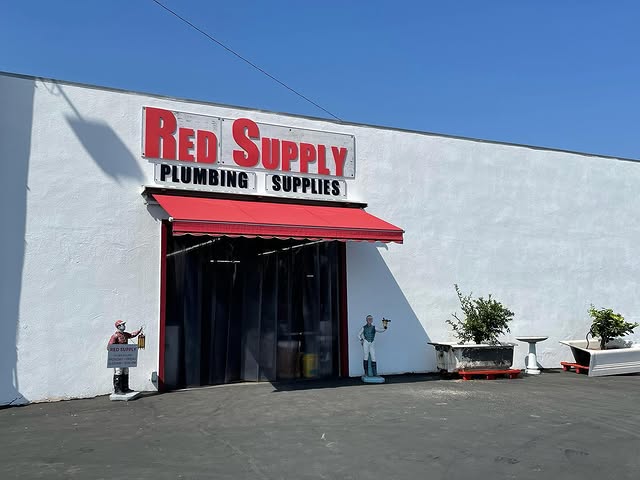
Most plumbing repairs fail for clear reasons: wrong parts, messy surfaces, weak threads, high pressure, or tightening too hard. You can stop most leaks by slowing down, cleaning well, and using the right seal method. When you need help matching parts, Red Supply is a smart choice. Red is a store selling plumbing parts with a special selection of hard-to-find, vintage parts, as well as current plumbing staples. Bring in the old piece, get a true match, and your next repair is more likely to stay dry.